


Best Credit Cards for Overseas Spending in Singapore: 0% FX, Cashback, and Miles Compared

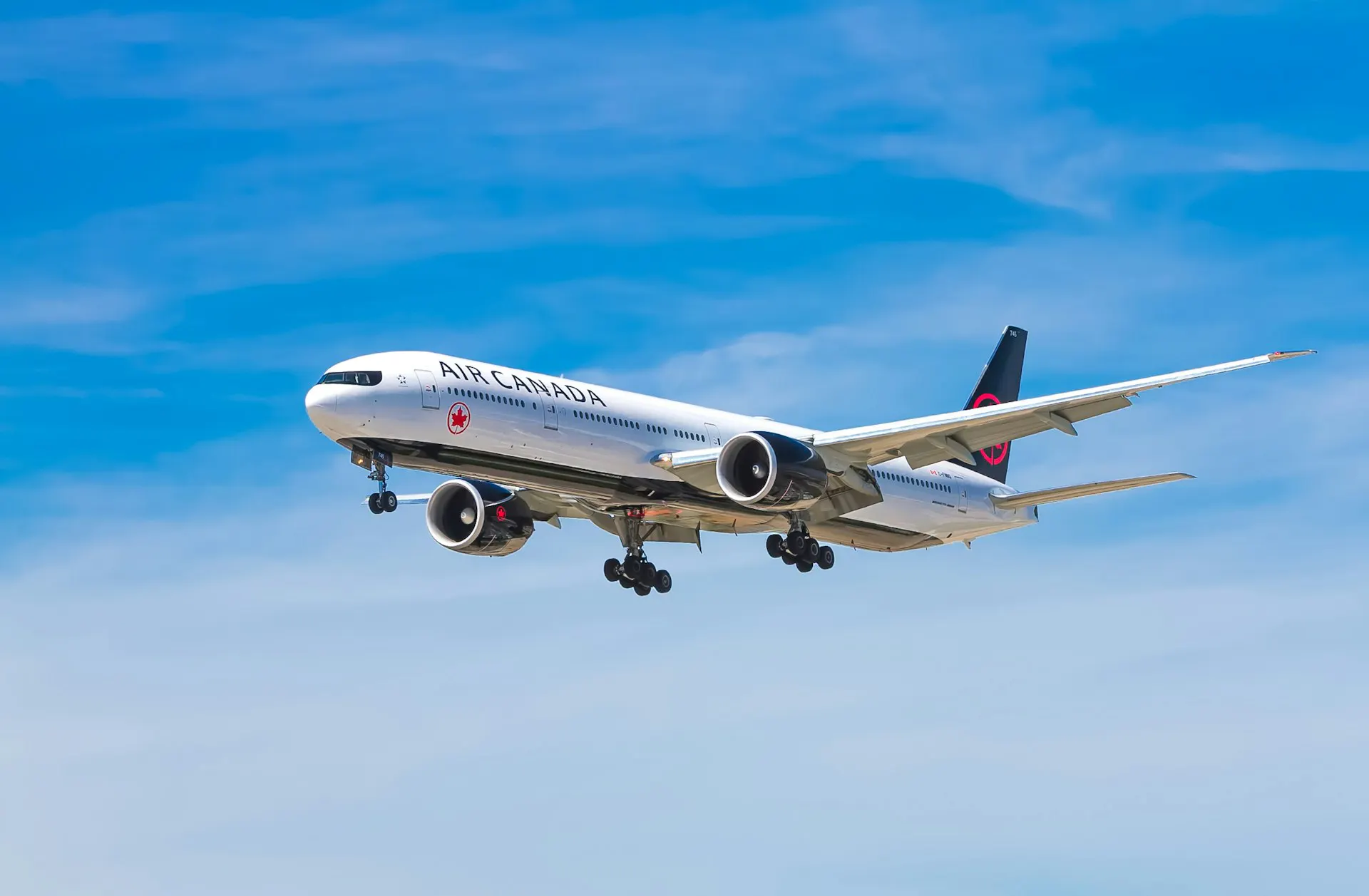
Most Singaporeans use the same credit card overseas as they do at home. That decision leaks 3–7% of every overseas dollar to fees — roughly S$100–S$200 on a single S$3,000 trip. Picking the right card cuts that to zero and adds 1.5–4% back on top in cashback or miles.
This guide compares the 7 credit cards that genuinely beat the default 3.25% overseas markup, splits them by cashback vs miles, and shows you the per-dollar math so you can pick the one that actually pays you to spend abroad.
Quick answer: which card to use overseas
Use case | Best card | Net value vs default |
Casual traveller (< S$2,000/yr abroad) | MariBank Credit Card | +4.75% per dollar (1.5% cashback + saved 3.25% FX) |
Heavy traveller chasing miles | UOB PRVI Miles | 2.4–3.0 mpd, roughly 3.6–4.5% in miles value |
Big-ticket overseas spender (S$1,500+/mo abroad) | UOB PRVI Miles or HSBC TravelOne | 2.4 mpd uncapped; PRVI hits 5 mpd on campaigns |
Already holding Amaze + Citi Rewards | Amaze + Citi Rewards (4 mpd hack) | 4 mpd capped at S$1,000/mo — highest single rate |
Frequent JB/KL/Bangkok day trips | UOB PRVI Miles or MariBank | PRVI: 3 mpd regional. MariBank: 0% FX + 1.5% cashback |
Wants simple no-fuss cashback | UOB EVOL or MariBank | EVOL 1% no cap. MariBank 1.5% to S$1,500/mo |
Table of Contents
1. The 3.25% problem most Singapore cards have
2. Best 0% FX cashback credit cards
3. Best miles credit cards for overseas spend
4. The Amaze + miles card hack (and when it stops working)
5. Cashback vs miles: which earns more per S$1,000 abroad?
6. Picks by overseas spending pattern
7. How to stack with sign-up bonuses, free insurance and lounge access
1. The 3.25% problem most Singapore cards have
Every overseas transaction on a default Singapore-issued credit card has two layers of fees baked in. Most cardholders never see them itemised — the bill just looks slightly worse than the headline exchange rate. Here is exactly what you are paying.
Layer 1: Visa or Mastercard cross-border fee — 1%
The card network charges a 1% cross-border fee on any transaction where the merchant is overseas, even if the transaction is in SGD. This applies whether you use a debit card, credit card, or charge an SGD-billed online subscription processed abroad (Spotify, Netflix, Apple).
Layer 2: Bank admin / conversion fee — 2.25–3%
On top of the network fee, your bank adds an admin or conversion fee. Industry standard is 2.25–2.5% for Visa/Mastercard banks (DBS, UOB, Citi, OCBC, HSBC) and 3% for AMEX. Bank × network combined is the 3.25% figure that appears on most fee schedules.
Layer 3 (hidden): Dynamic Currency Conversion
If the overseas terminal asks "Pay in SGD or local currency?" and you pick SGD, the merchant’s bank converts at its own rate — typically 3–7% worse than the card network rate. Always pick local currency.
The total damage
On a S$3,000 overseas trip with a default credit card: 3.25% FX (S$97.50) + occasional DCC slip-up = roughly S$100–S$150 in fees on a trip where you were trying to save money. The cards below either eliminate the 3.25% entirely (Layer 2) or pay you enough in cashback/miles to overcome it.
2. Best 0% FX cashback credit cards
These cards charge no foreign currency fee and add cashback on top — the cleanest mathematical win for travellers who do not want to chase miles. Pricing verified against issuer pages on 22 May 2026.
0% FX cashback credit cards compared
Card | Overseas cashback | Caps and conditions |
MariBank Credit Card | 1.5% | S$1,500/mo overseas spend cap. Promo period ends 31 Dec 2026. No min spend. |
UOB EVOL Card | 1% (0.5% China and Europe) | No cap, no min spend. Visa. |
Trust Bank Credit Card | 0.5% (NERFED from 1% on 1 Mar 2026) | Unlimited. Up to 15% on chosen preferred category. |
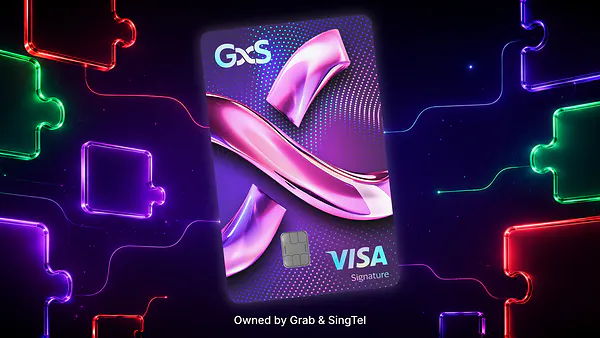
GXS FlexiCard | 0.5–1% (varies by category) | Daily cashback to GXS Savings Account. Min spend caveats apply. |
MariBank Credit Card — the new default for most travellers
Launched January 2026, MariBank is the most underrated travel card in Singapore. It pays 1.5% unlimited cashback on local spend, 1.5% cashback on the first S$1,500 of overseas spend each month, and charges zero FX fees. No minimum spend. Most comparison sites leave it out because broker affiliates earn no commission on MariBank — we include it because the math wins.
Catch: the 0% FX rate is a promotional offer running till 31 December 2026. After that, MariBank may revert to a standard FX schedule. Worth monitoring annually.
UOB EVOL — the no-cap fallback
UOB EVOL gives 1% overseas cashback on most currencies (drops to 0.5% in China and Europe) with no cap and no minimum spend. The trade-off vs MariBank: lower rate, but no S$1,500/mo cap. For monthly overseas spend above S$1,500, EVOL on the excess starts winning.
Trust Bank — was a leader, now a backup
Trust Bank cut its overseas cashback from 1% to 0.5% on 1 March 2026. It is still 0% FX with no min spend, and the up-to-15% category cashback works locally, but on pure overseas spend MariBank now pays 3× more for the first S$1,500/mo. Keep Trust if you already hold it for the FairPrice ecosystem perks.
3. Best miles credit cards for overseas spend
Miles cards charge the full 3.25% FX fee but pay you back in airline miles — typically worth 1.5–2 cents per mile at redemption. On paper the higher earn rate wins, but the FX fee eats most of the advantage unless you redeem miles efficiently (premium cabin redemptions are where miles really pay).
Best miles credit cards for overseas spend
Card | Overseas earn rate | Notes |
UOB PRVI Miles | 2.4 mpd general FCY, 3.0 mpd regional (MY/ID/TH/VN) | Up to 5 mpd on campaign overseas dining/shopping. Min spend tiers apply for some bonuses. |
DBS Altitude | 2.2 mpd FCY, 3.0 mpd online flights and hotels | Non-expiring miles — the only major SG card with this perk. |
HSBC TravelOne | 2.4 mpd FCY (= 6 Reward points/S$1) | 20+ transfer partners, instant transfer via HSBC app. Points expire after 37 months. |
AMEX KrisFlyer Ascend | 1.2 mpd local, 2 mpd overseas (3 mpd June) | Direct KrisFlyer earn, no transfer needed. AMEX 3% FX (not 3.25%). |
Citi PremierMiles | 1.2 mpd local, 2.0 mpd FCY | Lost free travel insurance 31 March 2026. Still solid earn. |
UOB PRVI Miles — the safe miles default
PRVI Miles offers the cleanest overseas earn profile: 2.4 mpd on general foreign currency spend, ramping to 3.0 mpd on regional ASEAN spend (Malaysia, Indonesia, Thailand, Vietnam) and up to 5 mpd during UOB-run campaigns on overseas dining and shopping. No cap on the base earn rate.
At 1.5 cents per mile redemption value, 2.4 mpd = 3.6% effective rebate. After the 3.25% FX fee, net positive of 0.35% — thin, but rises to 1.25–2.65% on regional or campaign-boosted spend.
DBS Altitude — the long-game miles holder
Altitude is the only major SG miles card with non-expiring miles. Worth picking if you redeem in chunks (e.g. saving 3–5 years for a premium-cabin redemption) rather than every year. Base 2.2 mpd is slightly below PRVI, but the 3.0 mpd bonus on online flights and hotels (booked direct or through the DBS Altitude Reserve Travel Portal) makes it competitive for trip-bookers.
HSBC TravelOne — the transfer-partner specialist
Same 2.4 mpd as PRVI, but the differentiator is the widest network of airline and hotel transfer partners in Singapore (20+, including KrisFlyer, Asia Miles, Cathay, Etihad Guest, Marriott Bonvoy, Hilton Honors). Instant transfer via the HSBC app. Worth holding if you redeem across multiple alliances rather than only Singapore Airlines.
AMEX KrisFlyer Ascend — the direct-earn option
Earns miles directly into KrisFlyer (no transfer step). 1.2 mpd local, 2 mpd overseas, with a 3 mpd bonus on Singapore Airlines transactions every June. AMEX FX fee is 3% (not 3.25%), so slightly better than Visa/Mastercard miles cards. Lower acceptance overseas — keep a Visa/Mastercard as backup.
4. The Amaze + miles card hack (and when it stops working)
The single highest overseas earn rate in Singapore right now is the Amaze + Citi Rewards stack at 4 mpd — but the mechanics have caveats most articles skip.
How it works
Amaze (issued by Instarem) is a multi-currency Mastercard that lets you link any existing Singapore credit card. When you tap Amaze overseas, the foreign currency transaction is converted by Amaze and billed to your linked card as a local SGD transaction. The linked card sees an "online retail" or "local" charge and pays the corresponding bonus rate.
Why Citi Rewards is the canonical pair
Citi Rewards pays 10X Rewards points (= 4 mpd) on online retail — and Amaze routes overseas transactions through this category. Net effect: 4 mpd on overseas spend, capped at S$1,000 per statement month (S$12,000/year). Above the cap, the rate drops to 0.4 mpd.
Where the hack stops working
Amaze applies its own 1% admin fee on SGD-denominated transactions (not all transactions, but enough to matter). At 1.5 cents/mile, 4 mpd = 6% rebate, minus 1% Amaze = 5% net. Strong, but only worth chasing if your destination card pays 3.5+ mpd — below that, MariBank’s 1.5% cashback with 0% FX beats the stack.
Eligible cards for the Amaze hack (mpd ranking)
- Citi Rewards — 4 mpd, S$1,000/mo cap. The canonical pair.
- UOB Lady’s — 4 mpd on 1–2 chosen categories, S$1,000/mo combined cap.
- OCBC Rewards — 4 mpd online, S$1,000/mo cap.
- DBS Woman’s World Card — 4 mpd online, S$2,000/mo cap (higher cap, but online-only).
→ For the full mechanics of Amaze’s fees and edge cases, see our YouTrip vs Wise vs Revolut vs Amaze deep dive.


5. Cashback vs miles: which earns more per S$1,000 abroad?
The honest answer depends on three things: how much you spend abroad, whether you redeem miles for premium cabin (where miles are worth 2–3 cents) or economy (where miles are worth 1–1.5 cents), and how patient you are. Here is the math on three realistic spend levels.
Per S$1,000 of overseas spend: net rebate after FX fee
Card / strategy | Gross earn | Net rebate (after 3.25% FX where applicable) |
MariBank Credit Card (1.5% cashback, 0% FX) | S$15 | +S$15 (4.75% advantage over default) |
UOB EVOL (1%, 0% FX) | S$10 | +S$10 (4.25% advantage) |
Trust (0.5%, 0% FX) | S$5 | +S$5 (3.75% advantage) |
UOB PRVI Miles (2.4 mpd, 3.25% FX) | 2,400 miles (≈ S$36 at 1.5c) | S$36 – S$32.50 = +S$3.50 |
DBS Altitude (2.2 mpd, 3.25% FX) | 2,200 miles (≈ S$33) | S$33 – S$32.50 = +S$0.50 |
HSBC TravelOne (2.4 mpd, 3.25% FX) | 2,400 miles (≈ S$36) | +S$3.50 |
Citi Rewards + Amaze (4 mpd, 1% Amaze) | 4,000 miles (≈ S$60) | S$60 – S$10 Amaze = +S$50 |
Reading the table
Three takeaways. First: the Amaze + Citi Rewards stack wins by a wide margin on every S$1,000 of capped spend (up to S$1,000/mo). Second: MariBank wins the cashback-only race comfortably and is the simplest — no apps, no top-ups, no caps below S$1,500/mo. Third: regular miles cards (PRVI, Altitude, TravelOne) barely beat zero after the 3.25% FX fee — they only become genuinely competitive when redeemed at premium-cabin valuations (2.0–2.5c/mile), bumping them to +S$15–S$25 per S$1,000.
When miles actually win
- Premium cabin redemptions: 1 mile redeemed for business or first class is worth 2–3c (vs 1.5c economy). At 2.5c valuation, PRVI/TravelOne net +S$27.50 per S$1,000 — beating MariBank.
- Regional spend on PRVI: 3 mpd regional ASEAN = 4.5% gross, net +S$12.50 per S$1,000 — beats MariBank for JB/KL/Bangkok trips.
- Campaign boosts: UOB PRVI 5 mpd on overseas dining/shopping campaigns = 7.5% gross, net +S$42.50 per S$1,000 — the highest practical rate.
When cashback wins
- Casual traveller (under S$3,000/year overseas): the simplicity of MariBank beats the redemption hassle of miles. You will not accumulate enough miles to redeem for premium cabin anyway.
- Mixed-purpose spender: cashback is fungible (offsets your bill directly). Miles only work if you actually fly.
- You hate redemption admin: miles cards require knowing transfer partner ratios, KrisFlyer waitlist mechanics, and saver award availability. Cashback is just dollars back.
6. Picks by overseas spending pattern
Five common Singapore overseas-spending patterns and the specific card combination that maximises returns for each.
Pattern 1: Casual traveller (S$1,000–S$3,000/year abroad)
- Primary card: MariBank Credit Card. 1.5% cashback, 0% FX, no min spend.
- Backup: UOB EVOL for spend beyond S$1,500/mo cap, or a Visa-accepted fallback for places that reject Mastercard.
- Skip miles cards entirely — you will not accumulate enough miles to redeem before expiry.
Pattern 2: Frequent traveller (S$3,000–S$10,000/year abroad)
- Primary card: UOB PRVI Miles for the base 2.4 mpd and regional 3.0 mpd. Or HSBC TravelOne if you redeem across multiple airline alliances.
- Secondary: Amaze + Citi Rewards for the first S$1,000/mo of overseas spend (4 mpd cap).
- Cashback fallback: MariBank for spends Amaze does not handle well (ATM, foreign-billed subscriptions).
Pattern 3: Big-ticket overseas (one-off splurge S$5,000+)
- Time the card sign-up: apply for a miles card 2–3 months before the trip and hit the welcome-bonus minimum spend during the trip. UOB PRVI welcome bonus is typically 30–40k miles — worth more than the entire trip’s base earn rate.
- Charge the flight to a card with free travel insurance (UOB PRVI registered, AMEX Platinum). Save S$50–S$150 on standalone insurance.
- Stack: book the hotel on a platform (Trip.com, Agoda) with a stackable bank-card promo code at checkout for another 8–12% off.
Pattern 4: Digital nomad (multi-country, S$10,000+/year abroad)
- Primary card: UOB PRVI Miles for uncapped 2.4 mpd. The Amaze hack caps at S$12k/year — you will breach this quickly.
- Top up Wise for local IBANs in foreign jurisdictions. Recover unspent balance via Wise/Revolut withdraw to bank.
- Keep a backup card with strong travel insurance (DBS Altitude Reserve or AMEX Platinum) for emergency medical.
→ Full FX wallet comparison: YouTrip vs Wise vs Revolut vs Amaze.
Pattern 5: Regional commuter (frequent JB/KL/Bangkok)
- Primary card: UOB PRVI Miles 3.0 mpd on regional ASEAN spend = 4.5% effective.
- Or MariBank Credit Card 1.5% cashback with 0% FX — simpler, no redemption admin.
- JB-specific: set up Touch ’n Go eWallet for tolls and small purchases that do not take cards.
→ Full JB stack: The JB Day Trip Deals Stack.
7. How to stack with sign-up bonuses, free insurance and lounge access
Picking the right card is half the win. The other half is timing the sign-up, activating the free perks, and pairing with the rest of your travel kit.
Stack 1: Time the sign-up bonus to your next big trip
Most premium credit cards (UOB PRVI, DBS Altitude, HSBC TravelOne, AMEX KrisFlyer Ascend) pay welcome bonuses of 20,000–40,000 miles after a S$3,000–S$5,000 minimum spend in the first 30–60 days. If you have a planned trip with S$3,000+ of spend, apply for the card 30–45 days before departure — your trip spend hits the minimum, and the welcome bonus alone is worth S$300–S$600 in flights.
→ Current welcome bonuses tracked monthly: Best Credit Card Sign-Up Promotions in Singapore.
Stack 2: Activate free travel insurance
Multiple premium credit cards include complimentary travel insurance worth S$50–S$150 per trip — but only if you charge the flight to the card. UOB PRVI Miles requires advance registration. Citi PremierMiles dropped its insurance on 31 March 2026 — do not assume yours is still active.
→ Full activation rules: Your Credit Card Comes with Free Travel Insurance.
Stack 3: Pair with the right wallet
Credit cards win on rewards. Wallets win on ATM access and zero-fee FX. Pair MariBank or PRVI (your rewards engine) with YouTrip or Wise (your ATM and currency-holding tool). The full multi-card comparison is in our travel money card hub.
→ Best Travel Money Card Singapore: 8 cards across credit, debit and wallets.
Stack 4: Pick the right booking platform
On a S$1,200 hotel stay, the difference between paying retail and stacking a bank-card promo code is typically S$100–S$150. Use Trip.com, Agoda and Klook for the platform-level discounts; pay with the matching bank card for the additional 5–8% bank-side cashback.
→ Live stack of bank-card travel promo codes: Bank Card Promotions and Travel Promo Codes.
Deep dives: every travel-money guide on DiveDeals
- How to Save Money on Every Overseas Trip from Singapore — the master 4-layer guide tying cards, eSIMs, insurance and booking promos together
- Best Travel Money Card Singapore — 8 cards compared across credit, debit and wallets
- YouTrip vs Wise vs Revolut vs Amaze — the four fintech wallets, per-dollar comparison
- Your Credit Card Comes with Free Travel Insurance — activation rules and which cards still have it
- Best Credit Card Sign-Up Promotions in Singapore — welcome bonuses tracked monthly
- Best Credit Cards Singapore — the master credit card decision guide
- Best Cashback Credit Cards for Dining in Singapore — sister cluster for local spend
- Every Loyalty Programme in Singapore Worth Joining — routine local spend equivalent of this guide
8. FAQ
Which credit card has no foreign transaction fee in Singapore?
Four cards genuinely waive the 3.25% FX surcharge in May 2026: MariBank Credit Card (1.5% cashback, S$1,500/mo cap), Trust Bank Credit Card (0.5% cashback after the March 2026 nerf), UOB EVOL (1% cashback no cap, 0.5% in China and Europe), and GXS FlexiCard. MariBank pays the highest cashback of the four.
Is the Amaze 4 mpd hack still worth it in 2026?
Yes, on the first S$1,000/month. Amaze’s 1% admin fee on SGD-denominated transactions costs S$10 per S$1,000 of overseas spend, but the 4 mpd earn rate on a paired Citi Rewards or DBS Woman’s World Card is worth roughly S$60 in miles — net +S$50 advantage. Above the S$1,000/mo cap, switch to UOB PRVI or MariBank. Full mechanics in our YouTrip vs Wise vs Revolut vs Amaze deep dive.
Should I get a cashback card or a miles card for overseas spending?
Casual travellers (under S$3,000/year overseas) should pick cashback — simpler, no redemption admin, and the math wins on small spend volumes after factoring FX fees. Frequent travellers who can redeem miles for premium cabin should pick a miles card — 1 mile at 2–3 cents valuation beats 1.5% cashback. Mixed spenders can hold both and route each transaction to the card that earns more.
Does Trust Bank really have no foreign exchange fee?
Yes — Trust Bank Credit Card and Debit Card both charge 0% FX surcharge on overseas transactions. The base cashback was 1% until 1 March 2026, when it was reduced to 0.5%. The no-FX-fee element remains.
What is the best credit card for booking flights and hotels?
DBS Altitude pays 3 mpd on online flight and hotel bookings (vs 2.2 mpd base) — the highest dedicated bonus for travel bookings. UOB PRVI runs occasional 6–7 mpd campaigns on hotels and flights. Always charge the flight to whichever card includes free travel insurance.
How much are credit card miles actually worth in Singapore?
Industry benchmarks: 1.3–1.5 cents per mile for KrisFlyer economy redemptions, 2.0–2.5 cents per mile for business cabin, and 3–4 cents per mile for first class on Singapore Airlines. The Milelion and other miles specialists track this in detail. For cashback comparison purposes, use 1.5 cents as a conservative valuation.
Can I use my regular Singapore credit card overseas?
Yes — every Visa and Mastercard Singapore credit card works overseas. The question is cost: a default card charges 3.25% FX. Pick one of the 0% FX cards or a high-earn miles card to either eliminate or recover the fee.
Which credit card is best for JB / Malaysia day trips?
UOB PRVI Miles earns 3 mpd on Malaysian Ringgit spend — regional bonus territory. Or use MariBank Credit Card for 1.5% cashback and 0% FX. For the full JB-specific stack including Touch ’n Go and GrabPay-MY tactics, see The JB Day Trip Deals Stack.
Does AMEX work everywhere overseas?
No — AMEX has lower acceptance than Visa/Mastercard, especially outside the US, Australia and major tourist destinations. Always carry a Visa or Mastercard as backup. The AMEX KrisFlyer Ascend earns direct KrisFlyer miles with no transfer needed, but you cannot rely on it as your only card abroad.
Are credit card sign-up bonuses worth chasing?
Yes — most premium miles cards pay 20,000–40,000 welcome miles after a S$3,000–S$5,000 minimum spend, worth S$300–S$600 in flights. If you have a planned trip, time the application so your trip spend hits the minimum. Full list updated monthly: Best Credit Card Sign-Up Promotions in Singapore.
Do I need separate cards for cashback and miles?
Most rewards-maximisers hold 2–3 cards: one cashback card (MariBank or UOB EVOL) as the default, one miles card (UOB PRVI or HSBC TravelOne) for big-ticket or premium-cabin-eligible spend, and Amaze paired with Citi Rewards for the 4 mpd capped slot. Two cards is enough for 90% of travellers.
What is the minimum annual spend to justify a premium credit card?
Annual fees on premium cards range from S$192 (UOB PRVI) to S$535 (AMEX KrisFlyer Ascend) before waivers. Break-even is usually S$30,000–S$60,000 annual spend, or hitting the welcome bonus minimum once. Most premium cards waive the first-year fee, so apply tactically and reassess before year two.
Is there a master guide tying all this together?
Yes — see our hub: How to Save Money on Every Overseas Trip from Singapore. It covers the 4 layers (cards, eSIMs, insurance, booking promos) end-to-end with a worked S$3,000 Tokyo trip example.
















![Top Family Friendly Holiday Destinations from Singapore [2026]](https://images.prismic.io/dive/aTvjJ3NYClf9oGZZ_Divedeals-1-.png?auto=format,compress)