


Insurance Singapore Guide: Which Cover Do You Need


Insurance Singapore: the short answer
The Singapore insurance market sells dozens of products but most adults need only 4 types of cover, in priority order:
- Integrated Shield Plan (health)
- Term life (income protection)
- Critical illness rider (severe-illness payout)
- Situational cover (travel, car, maid, home) as needed.
Whole life and investment-linked plans are usually oversold.
For most working Singaporeans, term life plus separate investing beats them on coverage-per-dollar.
Insurance has 3 mandatory layers in Singapore: MediShield Life (citizens + PR, CPF-funded), motor insurance (car owners, MAS-regulated), and maid insurance (FDW employers, MOM-regulated). Beyond mandatory, the right cover depends on life stage and dependants. We map both below.
This guide focuses on the framework so it stays useful as premiums change. For live premium comparison on each product, see the dedicated guides linked throughout.
Table of Contents
1. Quick verdict by life stage
2. The 7 insurance types every Singaporean encounters
3. Mandatory by law versus optional
5. Layer 1: Health (Integrated Shield Plan)
6. Layer 2: Life and income protection
7. Layer 3: Critical illness rider
8. Layer 4: Situational (travel, car, maid, home)
9. By life stage: single in your 20s
10. By life stage: married with young children
11. By life stage: mid-career with mortgage and dependants
12. By life stage: pre-retirement (50+)
1. Quick verdict by life stage
Life stage | Must have | Should have |
Single, 20s, no dependants | MediShield Life + IS plan rider | Term life only if outstanding debts (rare) |
Single, 30s, parents partly dependent | MediShield + IS plan + small term life | Critical illness rider |
Married, no children, dual income | MediShield + IS plan each | Term life each for mortgage cover |
Married with young children, sole breadwinner | MediShield + IS plan + term life 5-10x income | Critical illness, family travel insurance |
Married with young children, dual income | MediShield + IS plan each + term life each | Critical illness each |
Mid-career, mortgage + dependants | MediShield + IS + term life (mortgage + 5x income) | Critical illness, disability income |
Pre-retirement (50+), debts paid | MediShield + IS plan rider | Reduce term life cover, annuity for income |
Car owner | Motor insurance (legally required) | Comprehensive over third-party |
FDW employer | Maid insurance (legally required) | Standard or Enhanced based on FDW age |
2. The 7 insurance types every Singaporean encounters
Every Singaporean encounters these 7 product types over their lifetime. Most retail aggregators list 12-20 variations; this is the consolidated map.
Type | What it covers | Who needs it |
1. Health (MediShield + IS) | Hospital, surgery, outpatient | Every Singaporean and PR |
2. Term life | Lump sum if you die or are TPD | Anyone with dependants or debt |
3. Whole life | Lump sum + savings, payable any age | Limited cases (see section 6) |
4. Critical illness | Lump sum on diagnosis of severe illness | Family history or sole earners |
5. Disability income | Monthly income if unable to work | Sole breadwinners, no family backup |
6. Travel | Trip delay, lost baggage, medical overseas | Anyone who travels |
7. Motor / Maid / Home / FDW | Asset-specific cover | Owners + regulated employers |
3. Mandatory by law versus optional
Three insurance products are legally required in Singapore. The other four types are commercial decisions.
Mandatory 1: MediShield Life
Every Singaporean citizen and PR is auto-enrolled in MediShield Life via CPF. Premium deducted from MediSave automatically. Cover is basic (Class B2 / C in public hospitals); you cannot opt out.
Mandatory 2: Motor insurance (third-party minimum)
Every motor vehicle owner must have valid motor insurance to drive on public roads. Third-party-only is the legal minimum; most owners buy comprehensive. Without insurance, LTA does not issue or renew road tax.
Mandatory 3: Maid insurance + Security Bond (for FDW employers)
Employing a Foreign Domestic Worker requires a maid insurance policy with at least S$60,000 PA + S$15,000 medical, plus a S$5,000 Security Bond via Letter of Guarantee. MOM does not issue or renew the Work Permit without these. See the Maid Insurance Singapore guide for plan comparison.
Everything else is optional
Term life, whole life, critical illness, disability income, travel insurance, home contents insurance: all optional. The priority order in section 4 helps you sequence them by impact.
4. The 4-layer priority order
Most retail aggregators list 10 insurance types without telling you which to buy first. Here is the priority order based on financial impact if you skip the cover.
Priority | Type | Why this priority |
1. Health (IS plan rider) | IS plan upgrade above MediShield | A single ICU stay can be S$50,000-200,000; MediShield Life caps are tight |
2. Term life | If you have dependants or mortgage | Lump sum protects family from your loss of income |
3. Critical illness | Family history or sole earner | Lump sum at diagnosis covers treatment + income gap |
4. Disability income | Sole breadwinner with no family backup | Long-term illness can stop income for years |
5. Travel insurance | Each overseas trip | Single major medical evacuation is S$30k+ |
6. Comprehensive motor | For car owners | Comprehensive vs third-party-only saves on own-damage claims |
7. Home contents | For owner-occupied or rented condos | Fire, theft, flood damage to belongings |
The skip list
Whole life and investment-linked plans rank below term + invest separately for most working adults. Endowment plans are weaker than SRS or CPF top-ups for tax-advantaged savings. We cover the de-pitches in section 14.
'%20fill='url(%23a)'%20fill-rule='evenodd'%20opacity='.04'/%3e%3c/svg%3e)
5. Layer 1: Health (Integrated Shield Plan)
MediShield Life covers Class B2/C public hospital stays at the floor. Annual claim cap is roughly S$200,000 with co-insurance and deductibles. Real-world hospitalisation costs for serious conditions easily exceed the cap.
An Integrated Shield Plan upgrade lifts the cap, reduces deductibles, and adds private hospital and Class A1 cover.
IS plan structure
- Base IS plan: replaces MediShield Life with a higher-cap policy from a private insurer (AIA, Great Eastern, Singlife, Income, HSBC Life, Prudential)
- Rider on top of base: covers the deductible and co-insurance, taking out-of-pocket to near-zero
- Both base + rider together cost roughly S$500-2,500 a year depending on age and tier
Class A1 vs B1 vs private
IS plans tier into Class A1 (public A1 ward), private, or specific hospital networks. Higher tier = higher annual premium but better room class at admission. Mid-career professionals often pick A1 or Private; cost-sensitive families pick B1.
When to upgrade
If you have not bought an IS plan rider yet, this is the highest-priority gap to close. The premium is small compared to potential medical costs; the cap savings on a single serious admission justify the lifetime premium many times over.
6. Layer 2: Life and income protection
Term life pays a lump sum if you die or are totally and permanently disabled within the policy term. Whole life pays at any age. Income protection (disability income) pays a monthly income if you cannot work.
Term life: the default choice
For most working Singaporeans aged 25-50 with dependants or a mortgage, term life is the right product. Lower premium, higher cover per dollar, no investment bundling. See the Best Term Life Insurance Singapore guide for 8-plan comparison.
Whole life: limited use cases
Whole life pays at any age, has a savings component, and costs 5-15x more per dollar than term. Worth considering only for estate planning, forced savings for those who cannot save otherwise, or specific legacy scenarios. Most working adults are better served by term + separate investing.
Disability income: under-bought
If you are the sole breadwinner with no family backup, disability income (long-term illness payout) is worth considering. Premium ~S$300-800/year for a 35-year-old; cover replaces a substantial portion of monthly income if you cannot work.
DPS as your baseline
Every working Singaporean and PR is auto-enrolled in DPS via CPF, paying up to S$70,000 on death or TPD. DPS is the floor; term life on top is what gets you to the 5-10x income multiple most families need.
7. Layer 3: Critical illness rider
Critical illness (CI) cover pays a lump sum on diagnosis of a defined list of severe conditions (typically 36-50 conditions including cancer, heart attack, stroke). Helps with treatment costs and replacement income.
CI as a rider vs standalone
- CI rider on a term policy: ~S$200-400/year for S$200,000 cover at age 35
- Standalone CI policy: more expensive but higher cover and flexibility
- Early-stage CI rider: extra premium for partial payout on less-severe diagnoses
When CI is worth buying
- Family history of cancer, heart disease, or stroke
- Primary income earner with dependants
- Existing IS plan does not include a CI rider
When to skip
Substantial IS plan with built-in CI cover + 12+ months emergency fund + no family history = marginal value of separate CI rider is limited.


8. Layer 4: Situational (travel, car, maid, home)
These covers are situational and depend on your circumstances. None are mandatory unless you fall into the specific category.
Travel insurance
Buy per trip or annual if you travel 3+ times a year. See Best Travel Insurance Promotions Singapore for 12-plan comparison + current promos. Pay attention to overseas medical (the major-claim category, S$1-3 million cap) and trip-cancellation triggers.
Many premium credit cards include free travel insurance when you charge the trip to the card. See the Free Credit Card Travel Insurance Singapore guide for which cards qualify and how to activate.
Motor insurance
Required by law for every car owner. Comprehensive vs third-party-only is the practical decision; comprehensive is recommended for vehicles worth S$30,000+. The Car Insurance Credit Card Stack guide covers the discount layers (NCD + insurer promo + lump sum + card cashback) that pull 25-40% off the sticker rate.
Maid insurance
Required by law for every FDW employer (covered in section 3). Standard plan covers MOM minimums; Enhanced adds outpatient and dental for older FDWs or sole-carer scenarios.
Home contents insurance
Covers theft, fire, flood damage to belongings inside your home. Premium is small (S$80-200/year). Required if you rent and your landlord requires it; recommended for owner-occupied condos with S$30,000+ in belongings.
9. By life stage: single in your 20s
Single, no dependants, modest debt. Your priority is health cover; life cover is mostly unnecessary because no one financially depends on you.
- Buy: IS plan with rider (highest priority, lifetime medical floor)
- Skip: term life unless a parent is partly financially dependent on you
- Skip: whole life entirely (over-sold for this age group)
- Optional: travel insurance per trip or annual if traveller
Common mistake: agents pitch whole life or investment-linked plans to 20-somethings. The S$200/month premium would compound much harder in an SRS or low-cost index ETF over 30 years.
10. By life stage: married with young children
Married with young children. Highest-need life stage because your dependants cannot replace your income if you die.
- Buy: IS plan + rider for each parent
- Buy: term life at 5-10x annual income (5x for dual-income, 10x for sole earner)
- Buy: critical illness rider on the term life policy
- Optional: annual family travel insurance
- Skip: whole life unless you have a specific estate-planning case
11. By life stage: mid-career with mortgage and dependants
Mid-30s to mid-40s, mortgage, dependants, peak earning years. Insurance picture should be its biggest now, then taper as the mortgage shrinks and children become independent.
- Keep: IS plan + rider
- Keep: term life sized to cover outstanding mortgage + 5 years of replacement income
- Keep: critical illness rider
- Add: disability income if you are the sole breadwinner
- Review: travel and motor as before
12. By life stage: pre-retirement (50+)
50+, children independent, mortgage mostly paid. Insurance need is decreasing; cover should taper or convert to retirement-focused products.
- Keep: IS plan + rider (premium rises with age, but cover is more valuable now)
- Taper: term life cover (drop to mortgage balance + funeral + 1-2 years of partner expense)
- Convert: consider whether a term policy with conversion option should be converted to whole life for legacy planning
- Skip: critical illness (replace with self-insurance via accumulated savings)
- Add: annuity at retirement for guaranteed monthly income
13. The 10 per cent rule: how much to spend
A budget anchor: spend no more than 10 per cent of gross monthly income on insurance premiums. On S$6,000/month, that is S$600/month or S$7,200/year. Includes IS plan + rider, term life, CI rider, disability income, plus situational premiums (motor, maid, travel).
Why 10 per cent
Above 10% and insurance crowds out savings, investing and emergency fund. Most agents will sell you more if you let them; the 10% ceiling forces priority discipline. Below 10% is fine for younger life stages; rises naturally as family responsibilities grow.
How to allocate the budget
- IS plan + rider: ~30-40% of total
- Term life: ~25-35%
- CI rider: ~10-15%
- Disability income (if applicable): ~10%
- Situational (motor, maid, travel, home contents): ~10-15% combined
14. What NOT to buy
Insurance is more often oversold than undersold in Singapore. Common products that work poorly for most working adults:
Whole life as a savings vehicle
Premium is 5-15x term cost per dollar of coverage. The savings component projects 2-4% per year; you can beat that with an SRS-funded ETF. Buy whole life only for specific estate planning or legacy scenarios.
Investment-Linked Policies (ILPs)
ILPs bundle term life cover with a unit trust investment. Fees are typically 1.5-2.5% per year on the investment component, far above a low-fee Endowus or FSMOne portfolio. Term + separate investing beats ILPs in most scenarios.
Endowment plans for the savings portion
Insurance endowments lock funds for 10-25 years with guaranteed return of 1.5-2.5% plus a non-guaranteed bonus. SRS funds in low-cost index ETFs typically outperform. See the SRS Investing Guide Singapore for the alternative.
Multiple critical illness policies
Holding 2-3 CI policies from different insurers does not multiply your claim because most policies have payout caps. Concentrate cover in one policy with a good rider.
Insurance for non-financial losses
Wedding insurance, pet insurance, gadget insurance: premiums are high relative to actual claim probability. Self-insurance via emergency fund usually beats these niche covers.
Pay insurance premiums on the right credit card
Across all 4 priority layers, insurance premiums are recurring annual expenses. Routing them through a cashback or miles card recovers 1.5-5% per year, meaningful over a 30-year working life.
For uncapped cashback: UOB Absolute Cashback at 1.5% flat or AMEX True Cashback at 1.5%. For miles: HSBC Revolution at 4 miles per S$1 on online insurance portals.
For routing larger annual premiums through credit cards via Citi PayAll or CardUp to chase sign-up bonuses, the Best Credit Card for Big Purchases Singapore guide covers the spend math.
| Card | Bonus/Rewards | Terms |
UOB Absolute Cashback  Apply by 31 Oct 2026 | Limited daily rewards (first 5 eligible applicants at 10 PM):
Other eligible applicants:
|
|
| Card | Bonus/Rewards | Terms |
HSBC Revolution 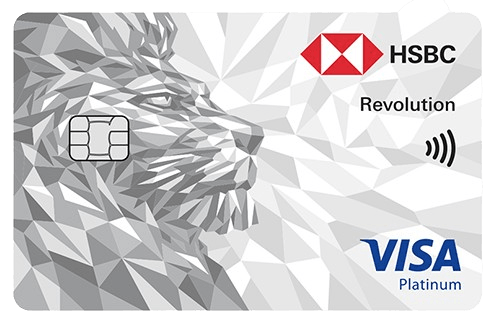 Apply by 25 Oct 2026 | Choose one:
Top-up options:
|
|
15. FAQ
Q1: What insurance do I really need in Singapore?
In priority order: IS plan + rider (health), term life (if you have dependants or mortgage), critical illness rider (family history or sole earner), then situational (motor, maid, travel as your life requires). Skip whole life and ILPs for most working-adult scenarios.
Q2: Is MediShield Life enough?
For Class B2 or C ward stays at public hospitals, yes. For Class A1 or private hospitals, or for outpatient and specialist costs, an IS plan upgrade is needed. The IS plan rider in particular takes out-of-pocket cost on serious admissions close to zero.
Q3: How much insurance can I afford?
Roughly 10 per cent of gross monthly income across all insurance combined. The breakdown: ~35% IS plan + rider, ~30% term life, ~15% CI rider, ~10% disability income, ~15% situational.
Q4: Should I buy whole life or term life?
For most working Singaporeans aged 25-50 with dependants and a mortgage, term life beats whole life on coverage-per-dollar by 5-10x. Buy term for protection, invest the premium difference separately for the savings layer.
Q5: When should I review my insurance?
At each major life event (marriage, child birth, home purchase, job change, divorce, retirement). And annually at policy renewal because premiums shift with age.
Q6: Can I cancel insurance once I have started?
Yes for most term policies (just stop paying). Whole life and ILP cancellations forfeit accumulated cash value or trigger surrender penalties. Read the surrender clause before signing.
Q7: How do I claim insurance?
Each insurer has its own claim process: notify insurer ASAP, submit claim form + supporting documents, receive payout within 2-8 weeks. Some IS plan riders include letter-of-guarantee admission so you do not pay upfront.
Related guides
For travel insurance per trip or annual: Best Travel Insurance in Singapore guide.
For free travel insurance via your credit card: Free Credit Card Travel Insurance Singapore guide.
For maid insurance + MOM Security Bond: Best Maid Insurance Singapore guide.
For car insurance with NCD + insurer promo + lump sum + card stacking: Car Insurance Credit Card Stack Singapore guide.
For term life with DPS baseline + coverage calculator: Best Term Life Insurance Singapore guide.
















![Top Family Friendly Holiday Destinations from Singapore [2026]](https://images.prismic.io/dive/aTvjJ3NYClf9oGZZ_Divedeals-1-.png?auto=format,compress)
![Top China Destinations & Best Places to Visit [2026]](https://images.prismic.io/dive/aTjYh3NYClf9n_og_TopChinaDestinations-1-.png?auto=format,compress)