

Where to Buy Cheap Groceries in Singapore 2026: The Budget Shopper Guide

Where to buy cheap groceries in Singapore: how to cut your shopping bill
Groceries are one of the few bills you can shrink every single week without giving anything up. The same basket of milk, eggs, rice and vegetables can cost noticeably more or less depending on where you shop, which brand you reach for, and how you pay at the till.
This guide maps the cheapest places to buy groceries in Singapore, from value supermarkets and wet markets to online options, then shows how to stack supermarket loyalty, cashback and the right credit card so every trip costs a little less.
Grocery prices, store promotions and card offers change constantly. Always check the current price and terms in-store or on the app before you buy.
1. Know your supermarket tiers
Not all supermarkets price the same basket equally. Singapore's grocers roughly split into three tiers, and knowing which is which is the single biggest lever on your bill.
Singapore supermarket tiers at a glance
Tier | Examples | Best for |
Value | Sheng Siong, Prime, Giant | Lowest everyday prices, housebrands, staples |
Mainstream | FairPrice, FairPrice Finest | Wide range, frequent member promos, points |
Premium | Cold Storage, Jasons, Little Farms | Imported and specialty, pay a premium |
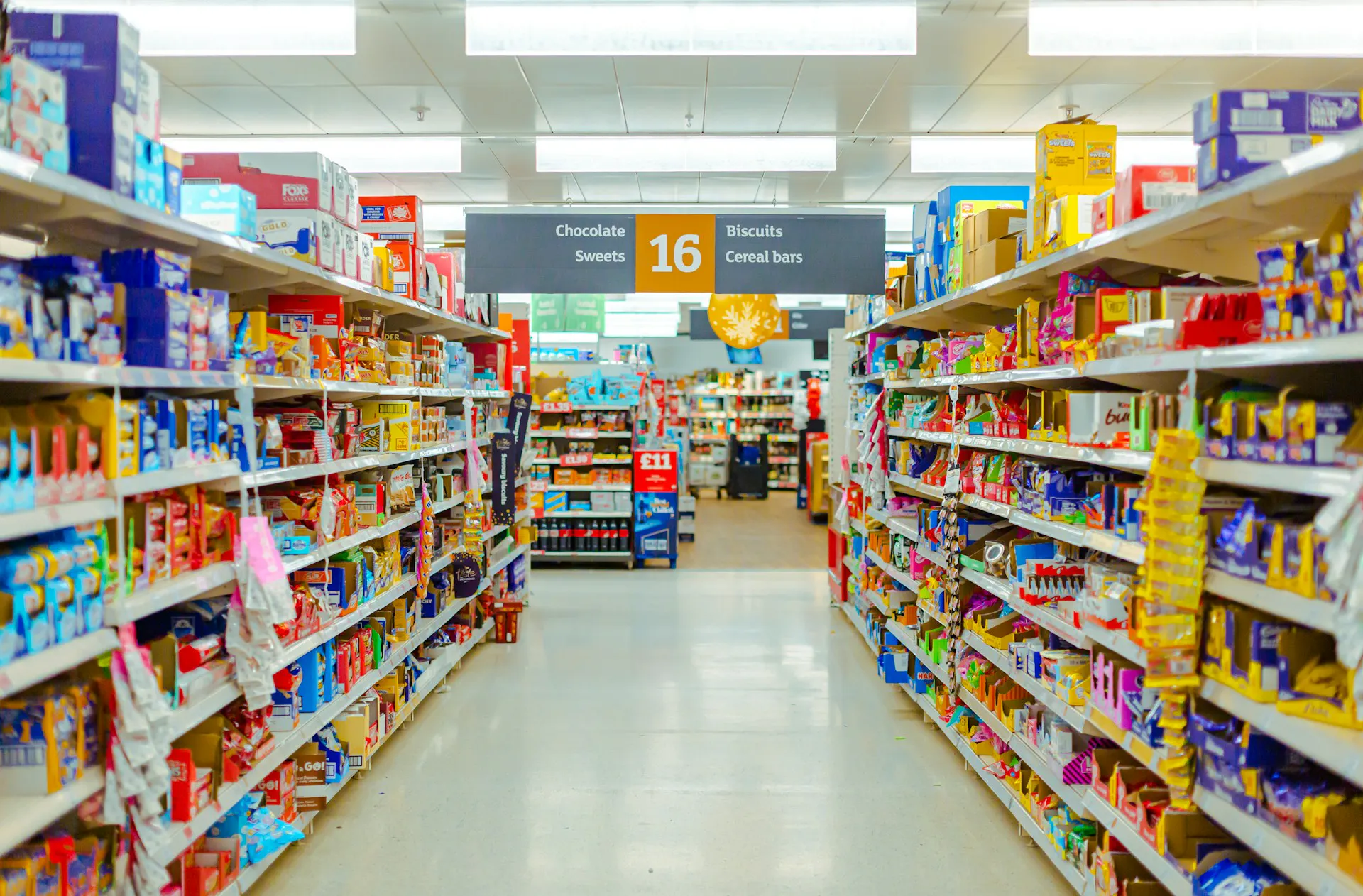
The trick is to match the store to the item. Buy your bulk staples and housebrand basics at a value supermarket, use mainstream stores for range and member deals, and reserve premium grocers for the few specialty items you genuinely cannot get elsewhere.
'%20fill='url(%23a)'%20fill-rule='evenodd'%20opacity='.04'/%3e%3c/svg%3e)
2. The cheapest places to shop
For the lowest prices on everyday groceries, a handful of options consistently undercut the premium grocers. Mix and match rather than doing every shop in one place.
- Value supermarkets. Sheng Siong, Prime and Giant are built around low everyday prices and strong housebrand ranges. Their weekly promotions and members-only buys are where the deepest staple discounts sit.
- Warehouse and bulk. Buying non-perishables like rice, oil, detergent and canned goods in larger pack sizes lowers the unit price. Just make sure you will use it before it expires, bulk only saves money if nothing is wasted.
- Heartland and neighbourhood stores. Provision shops and smaller grocers away from malls often price staples below the big chains, with no membership needed.
- Clearance and near-expiry. Many supermarkets discount bread, chilled items and produce in the evening or near the best-before date. Perfect for things you will cook or freeze the same day.
3. Switch to housebrands
The fastest way to cut a grocery bill without shopping anywhere new is to swap brand-name staples for the supermarket's own housebrand. The product is often made in the same factories, and the saving on everyday items adds up quickly.
- Best housebrand wins. Rice, cooking oil, eggs, milk, flour, sugar, canned goods, cleaning supplies and paper products are where housebrands match the big names at a lower price.
- Know the ranges. FairPrice has its housebrand and the cheaper everyday-value line, Sheng Siong and Giant carry their own labels, and most premium grocers have a basics range too. Compare the unit price, not the pack price.
- Taste-test once. Try a housebrand version of something you buy weekly. If it passes, you save on that item every shop from then on with zero ongoing effort.
4. Wet markets and online options
Beyond the supermarkets, two channels can beat them on the right items, wet markets for fresh produce and online grocers for promo-driven bulk buys.
- Wet markets. For vegetables, fruit, fish and meat, neighbourhood wet markets are frequently cheaper and fresher than supermarkets, especially if you shop later in the morning when sellers clear stock. Bring cash and your own bags.
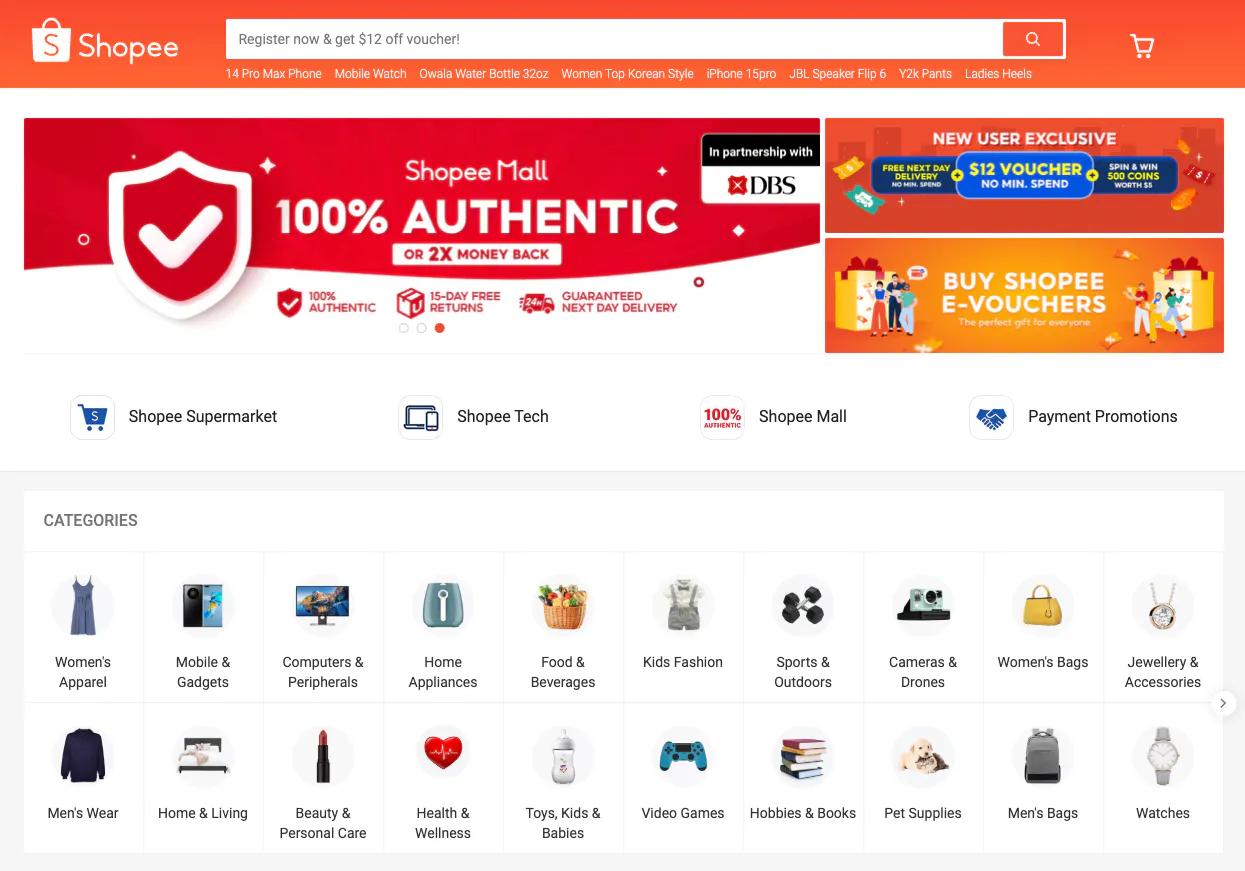
- Online grocers. RedMart, FairPrice online, Sheng Siong online and marketplaces like Shopee and Lazada run frequent grocery vouchers and free-delivery thresholds. They shine for heavy, non-urgent bulk items you would rather not carry home.
- Compare before you cart. Online prices can sit above in-store, so the saving comes from vouchers, cashback and skipping the trip, not the shelf price. Check the total after delivery and discounts.
5. The savings stack: loyalty, cashback and card
Where you shop sets the shelf price. How you pay decides the final price. These layers each work on top of one another, so a cheap basket gets cheaper still.
- Layer 1, supermarket loyalty. FairPrice link points, Sheng Siong and Cold Storage schemes give members lower prices, points and vouchers. Our supermarket loyalty guide breaks down which is worth joining.
- Layer 2, cashback. A cashback service like ShopBack returns a percentage on online grocery orders, and some link to in-store spend too. Stack it on top of any loyalty discount.
- Layer 3, the right card. A card that rewards groceries earns cashback or miles on every dollar at the supermarket. Our best credit card for groceries guide covers which card pays the most at FairPrice, Sheng Siong, Cold Storage and online.
Stacked together, a member price plus a few percent cashback plus card rewards quietly trims every shop, without changing a single thing in your trolley.


6. Habits that quietly cut the bill
The biggest grocery savings come from habits, not one-off deals. A few small routines compound into a meaningfully lower monthly spend.
- Shop with a list, never hungry. A list curbs impulse buys, and shopping after a meal stops the trolley filling with snacks you did not plan to buy.
- Check the unit price, not the sticker. The shelf label usually shows price per 100g or per litre. A bigger pack is not always cheaper per unit, the small print tells you which truly wins.
- Plan meals around what is on offer. Build the week's cooking around discounted produce and members-only buys rather than fixing a menu and paying full price for it.
- Buy staples on promo, fresh as needed. Stock up on non-perishables when they are discounted, and buy fresh items little and often to avoid waste.
7. Related Singapore deal guides
Cheaper stores set the shelf price. These guides cover the loyalty schemes, cashback and cards that lower the final price at checkout.
- Best credit card for groceries in Singapore: which card earns the most cashback or miles at FairPrice, Sheng Siong, Cold Storage and online grocers.
- Supermarket loyalty programmes in Singapore: how FairPrice, Cold Storage and Sheng Siong member schemes compare, and which are worth joining.
- Best cashback credit card in Singapore: the cards that pay you back a flat or category rate on every grocery run.
- Best dining deals app in Singapore: the apps that cut your eating-out bill the way this guide cuts your grocery bill.
- Best credit card in Singapore: the overall pillar guide if you want one main card for groceries and everyday spend.
- All Singapore promo codes: the live hub of currently-active deals across groceries, shopping, food and more.
8. Frequently asked questions about cheap groceries
Which supermarket is the cheapest in Singapore?
Value-tier supermarkets like Sheng Siong, Prime and Giant generally have the lowest everyday prices and the strongest housebrand ranges. FairPrice is competitive with member promos, while premium grocers like Cold Storage cost more for imported and specialty items.
Are supermarket housebrands worth buying?
For staples like rice, oil, eggs, milk, canned goods and cleaning products, yes. Housebrands are usually noticeably cheaper than name brands for similar quality, and the saving repeats on every shop. Taste-test one item you buy weekly and switch if it passes.
Is it cheaper to buy groceries online or in-store?
In-store shelf prices are often lower, but online wins when you stack grocery vouchers, free-delivery thresholds and cashback, and skip the trip. For heavy bulk items, compare the total after discounts and delivery before deciding.
How can I save the most on groceries?
Shop value supermarkets, switch staples to housebrands, then stack the savings: a member loyalty price, cashback through a service like ShopBack, and a card that rewards groceries. See our best credit card for groceries guide for which card pays the most.
Are wet markets cheaper than supermarkets?
Often yes for fresh produce, fish and meat, particularly later in the morning when sellers clear stock. Bring cash and your own bags. Supermarkets still win for packaged goods, housebrands and promo-driven bulk buys.
Pick a value supermarket, switch your staples to housebrands, then pay with the card from our best credit card for groceries guide and check our Singapore promo codes hub for a live grocery voucher before you shop.